
Views: 0 Author: Site Editor Publish Time: 2025-10-15 Origin: Site


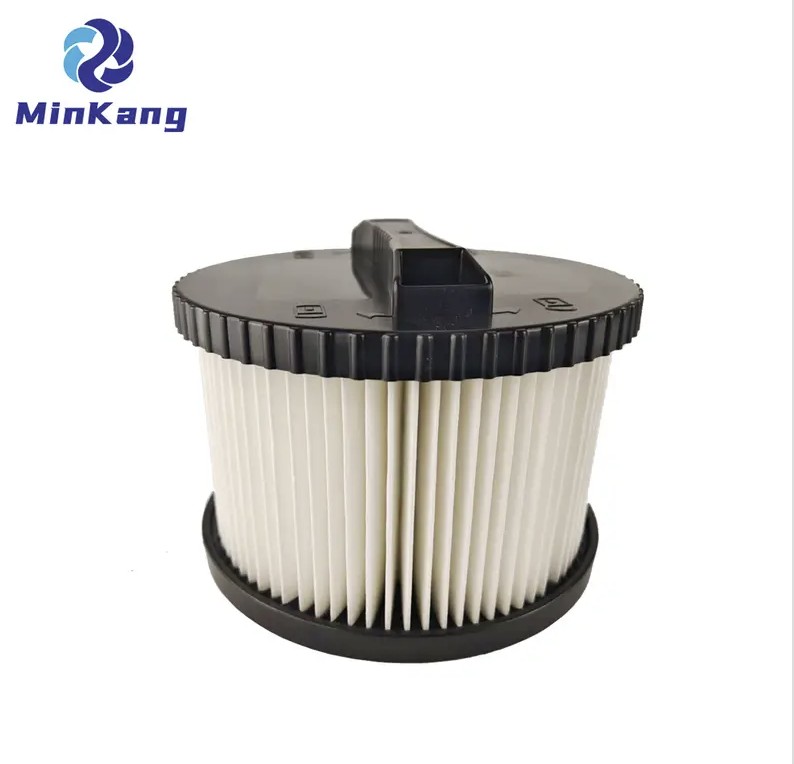
Ever wondered if you can clean a HEPA filter instead of buying a new one? These powerful filters trap 99.97% of tiny particles, keeping your air fresh and safe. But here’s the catch—cleaning them the wrong way can ruin their performance. In this post, you’ll learn which HEPA filters can be cleaned, which can’t, and how to care for them safely.
Standard HEPA filters should never be washed — water breaks the delicate fiber network and ruins filtration performance.
Washable types exist, but there’s no global standard, and their efficiency drops after a few cleanings.
Regular replacement is the safest option, ensuring consistent air quality and purifier performance.
Always follow the manufacturer’s instructions before cleaning or replacing to avoid damaging your filter or device.
A HEPA filter stands for High-Efficiency Particulate Air. It’s the heart of most air purifiers and vacuums. These filters trap 99.97% of airborne particles as small as 0.3 microns, including dust, pollen, mold spores, and bacteria. That’s smaller than the width of a human hair by hundreds of times.
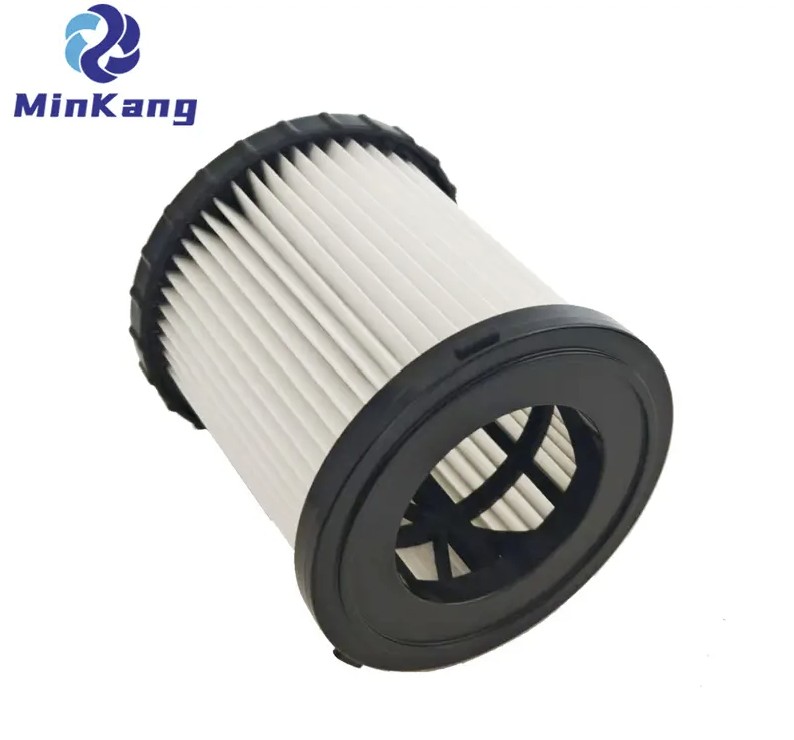
HEPA filters look simple—almost like folded paper—but inside, they’re made of layers of tightly interwoven fibers. These fine fibers create a maze that forces air to twist and turn through tiny passages. The air passes; the particles don’t.
The magic lies in three main mechanisms:
Interception: particles follow the airflow but stick to the fibers once they brush by.
Impaction: larger particles crash directly into the fiber surface.
Diffusion: super tiny particles bounce randomly until they hit and stay trapped.
Here’s a quick look at how it works:
| Feature | Description |
|---|---|
| Efficiency Rating | Captures 99.97% of 0.3-micron particles |
| Structure | Dense web of overlapping fibers |
| Mechanisms | Interception • Impaction • Diffusion |
| Materials | Glass fibers, synthetic fibers (polyester, nylon), sometimes metal or coated media |
Most HEPA filters use glass or synthetic fibers bonded into a paper-like sheet, then folded into pleats for more surface area. The more folds it has, the more particles it can trap before airflow slows down. It’s a simple yet powerful design—quietly keeping your air cleaner every second.
Every time your air purifier runs, the HEPA filter quietly traps millions of invisible particles. Over days and months, these tiny intruders build up. It’s proof your filter is working—but also a sign it’s getting clogged.
HEPA filters catch dust, pollen, pet dander, mold spores, bacteria, and even smoke residue. These pollutants cling to the fiber web inside the filter, forming a grayish layer that thickens over time. When too much collects, air struggles to pass through. The purifier works harder, airflow drops, and energy use climbs.
You might notice the signs before your machine does:
The air output feels weaker than before.
The filter looks dull, gray, or brown instead of white.
A musty or burnt smell appears when the unit runs.
That’s when the filter needs attention—either cleaning (if washable) or replacing.
Surface dust is easy to see; it often collects on the outer folds. Embedded particles are the real problem. They hide deep inside the fiber layers, blocking microscopic pathways where air should flow freely. Even if the surface looks fine, trapped pollutants inside keep the filter from doing its job.
| Type of Build-Up | Where It Collects | Effect on Airflow |
|---|---|---|
| Surface Dust | Outer pleats | Slight restriction |
| Embedded Debris | Deep fiber layers | Major clogging, poor performance |
| Smoke & Odors | Throughout media | Persistent smell, reduced efficiency |
So while your HEPA filter doesn’t look dramatic, every speck inside tells a story of clean air bought at the cost of fiber space.
Most HEPA filters are not meant to be cleaned. They’re built to trap and hold fine dust, pollen, and bacteria deep inside a dense mesh of fibers. Once those particles are embedded, they can’t be safely removed.
Using water, soap, or compressed air might sound harmless, but it isn’t. Water loosens the bonds between fibers. Soap leaves residue. Air pressure stretches the mesh. Each of these actions lowers filtration efficiency—sometimes by 15–30% after one attempt.
And if the filter stays damp? That’s an open door for mold or bacteria growth. Instead of cleaning your air, the filter could start releasing spores or odors back into it.
| Method Tried | Result | Risk Level |
|---|---|---|
| Rinsing with water | Fiber swelling, mold growth | High |
| Using soap | Residue buildup, weak fibers | Medium |
| Blowing with air | Tears fine mesh | High |
| Vacuuming gently | Slight surface clean only | Low |
A HEPA filter’s strength lies in its delicate fiber weave. These fibers create a labyrinth that traps particles through interception, impaction, and diffusion. Washing ruins this structure.
When exposed to water or scrubbing, fibers bend or break, and the electrostatic charge that helps catch microscopic particles disappears. Even a small tear or loosened area creates air gaps, letting unfiltered air bypass the media.
Some users report that filters shrink or warp after washing, causing poor fits inside purifiers. Worse, tapping or rinsing can release trapped pollutants back into the room.
There’s also no universal standard defining what “washable HEPA” means. Each brand designs its own version, making performance unpredictable once cleaned.
If your filter clearly says “washable” or “permanent HEPA”, then cleaning may be possible—but follow the manufacturer’s directions exactly. Rinse lightly under cool water, skip detergents, and dry it for at least 24 hours before reinstalling.
Even so, expect the filter to lose a bit of efficiency after each cleaning cycle. The fibers can’t hold their original tension forever.
Remember, the pre-filter—the thin layer that catches larger particles—is a different story. You can vacuum or wash that one safely. It helps extend the main HEPA filter’s life without risking damage.
| Filter Type | Can Be Cleaned? | Best Method | Expected Lifespan |
|---|---|---|---|
| Non-Washable HEPA | ❌ No | Replace only | 6–12 months |
| Washable HEPA | ⚠️ Yes, carefully | Rinse + air dry | 1–2 years |
| Pre-Filter | ✅ Yes | Vacuum or rinse | 3–6 months |
| Type | Description | Cleaning Method | Lifespan | Risks |
|---|---|---|---|---|
| Non-Washable HEPA | Standard glass-fiber or synthetic media | Replacement only | 6–12 months | Damage if cleaned |
| Washable/Permanent HEPA | Designed for limited rinsing | Rinse gently, air-dry 24 h | 1–2 years | Performance loss after wash |
| Pre-Filter (not HEPA) | Captures large particles before HEPA | Vacuum or wash | 3–6 months | None if done properly |
Washing a HEPA filter might look like a quick fix, but the damage begins the moment water hits the fibers. The tightly woven mesh—made to trap tiny particles—starts to deform and loosen. What once acted like a microscopic net turns into a leaky sieve.
Here’s what happens step by step:
Water enters the filter layers. It soaks into the dense mat of fibers and changes their shape.
Fibers swell or stretch. This creates tiny air gaps that let particles slip through.
Trapped dust breaks loose. Some pollutants may wash out, but others move deeper inside.
Electrostatic charge fades. The filter loses one of its key mechanisms for catching microscopic particles.
Drying takes too long. Even after a full day, moisture can linger, setting the stage for mold growth.
Tests show that washing can cause a 15–23% drop in filtration efficiency—sometimes even more if repeated. The filter might look clean to the eye, but that’s misleading. A “clean” appearance doesn’t mean it’s still doing its job.
| Effect After Washing | What Actually Happens | Impact |
|---|---|---|
| Fiber deformation | Mesh loses tight weave | Lower capture efficiency |
| Air gaps form | Unfiltered air bypasses filter | Poor air quality |
| Moisture retention | Promotes mold and bacteria | Health risk |
| Loss of charge | Particles no longer stick | Reduced performance |
| Clean surface | Looks fine visually | Hidden damage inside |
So while your filter may look spotless after rinsing, its inner structure tells a different story—a washed HEPA filter never works like new again.
Keeping a HEPA filter in good shape doesn’t need to be complicated. Whether yours is washable or not, the goal is the same—keep airflow strong and your air clean. The right care method depends on the filter type.
If your filter isn’t labeled washable, never soak it. A quick, gentle clean can help extend its lifespan, but water or soap will destroy it.
Here’s what you can safely do:
Lightly tap the outer frame to remove loose surface dust—never hit or bend it.
Use a vacuum cleaner on the outer casing only, avoiding direct contact with the fiber mesh.
Check and clean pre-filters regularly since they catch large particles before they reach the HEPA layer.
Replace the HEPA filter once airflow weakens or the purifier’s indicator light turns on.
| Task | How to Do It | Frequency | Effect |
|---|---|---|---|
| Tap gently | Hold filter and tap side | Monthly | Removes loose dust |
| Vacuum surface | Use low suction on casing | Monthly | Prevents buildup |
| Clean pre-filter | Rinse or vacuum | Every 2–3 months | Extends HEPA life |
| Replace HEPA | Follow manual or sensor | 6–12 months | Restores performance |
If your unit uses a washable or “permanent” HEPA filter, gentle handling is key. These filters can handle water, but not much else.
Try this simple routine:
Remove the filter outdoors to avoid dust blowing back inside your home.
Rinse under cold water only—no soap, no scrubbing, no brushes. Let the water run in one direction to flush out dirt.
Dry completely for at least 24 hours before reinstalling. A slightly damp filter can grow mold fast.
Avoid frequent washing. Even washable HEPA filters lose efficiency after too many rinses.
| Step | Action | Why It Matters |
|---|---|---|
| Handle gently | Hold edges, avoid bending | Prevents fiber damage |
| Rinse lightly | Use cold water only | Removes dust without tearing fibers |
| ️ Air-dry 24h | Let stand upright | Stops mold growth |
| Clean sparingly | Wash when visibly dirty | Extends lifespan |
A: You can lightly vacuum the outer surface of the filter, but never press the nozzle directly onto the fibers. Too much suction can tear or stretch them, reducing efficiency. Always follow the manufacturer’s care instructions.
A: Water damages the delicate fiber mesh, causing shrinking, deformation, and loss of electrostatic charge. The filter may look clean but won’t capture fine particles effectively afterward.
A: Not always. Many so-called washable filters are pre-filters or modified designs, not true HEPA media. There’s no universal standard for washable HEPA filters.
A: Look for gray discoloration, weak airflow, or a musty smell. Some purifiers have indicator lights. Replace your filter every 6–12 months for best performance.
A: That odor usually means moisture remains trapped inside, allowing mold or bacteria to grow. The filter wasn’t fully dried or has been permanently damaged.
Cleaning a HEPA filter might seem like a simple way to save money, but it often does more harm than good. Standard HEPA filters lose their delicate fiber structure once exposed to water or pressure, causing air leaks and reduced efficiency. Even washable types, though convenient, gradually decline in performance with every rinse. The safest way to maintain clean indoor air is still regular replacement and gentle maintenance—your health and comfort depend on it. If you’re looking for a durable, high-performance washable option, explore our HA026 Washable and Reusable Replacement HEPA Filter.
Designed for the HERCULES Jobsite Vacuum, it combines reliability, easy cleaning, and long service life, making it ideal for industrial or home use. MINKANG Filter continues to deliver efficient, eco-friendly air filtration solutions that keep your equipment and environment running clean.
Stay tuned—our next blog will take a closer look at the correct and safe methods for cleaning HEPA filters, including expert-tested techniques to extend filter life without compromising air quality.


