
Views: 0 Author: Site Editor Publish Time: 2025-11-27 Origin: Site


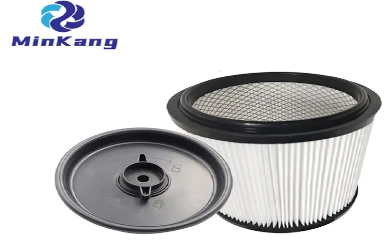
Choosing the correct filter size for your 12-gallon shop vac is crucial for maintaining its performance and efficiency. The filter plays a key role in trapping dust, debris, and fine particles while ensuring proper airflow, which directly impacts suction power. Using the wrong filter size can reduce the vacuum's effectiveness, cause clogs, and even damage the motor. Understanding the various filter sizes available and how to choose the right one for your vacuum ensures that it operates efficiently, maintains optimal suction, and extends its lifespan. This article will guide you through the process of selecting the correct filter size for your 12-gallon shop vac, so you can get the best results from your cleaning tasks.
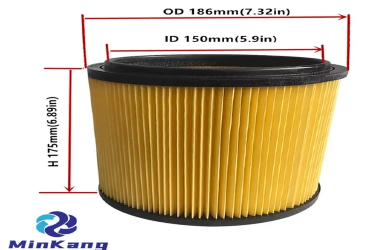
The typical filter size for most 12-gallon shop vacuums is generally between 9 to 12 inches in diameter, depending on the specific model. While the diameter is the most important measurement, the height of the filter also varies. The size of the filter ensures optimal airflow, maintaining suction power and efficiency during use. Using a filter that is too large or too small can lead to poor filtration and may even cause damage to the vacuum.
There are several common filter types used in shop vacuums, each suited for different tasks and cleaning environments:
Pleated Paper Filters: These are one of the most common types of filters found in shop vacuums. Pleated paper filters have a large surface area, allowing them to trap fine dust and debris efficiently. They are often used in models designed for both wet and dry cleaning.
Foam Filters: Foam filters are generally used for wet debris collection. These filters are washable and reusable, making them a cost-effective option. Foam filters are good at trapping larger debris but may not capture fine particles like pleated filters or HEPA filters.
Cartridge Filters: Cartridge filters are typically cylindrical filters that are used for dry debris collection. They offer a high filtration capacity, similar to pleated paper filters, and can often be cleaned and reused. Cartridge filters are commonly used for fine dust or heavy-duty cleaning tasks.
When selecting a filter for your 12-gallon shop vac, it’s important to always check the vacuum model’s specifications to ensure compatibility. Not all filters fit every shop vac, even if the vacuum's tank size is similar. Factors such as the diameter, height, and shape of the filter must match the specifications of your model. Additionally, some vacuums may have specific requirements for wet vs. dry use filters, and using the wrong type of filter could reduce suction power or cause inefficient debris collection. Always consult the user manual or the manufacturer’s guidelines before purchasing a replacement filter to ensure it meets your vacuum’s needs.
By understanding the standard filter sizes and types available, you can select the right filter for your 12-gallon shop vac and maintain its optimal performance.
The most reliable way to determine the correct filter size for your 12-gallon shop vac is by referring to the manufacturer’s manual or product specifications. The manufacturer provides specific details on the recommended filter size, type, and features to ensure your vacuum functions at its best. Always check the manual for compatibility, as using the wrong size filter can cause poor suction, inefficiency, or even damage to the vacuum. The manufacturer’s guidelines also indicate whether the vacuum requires a wet or dry filter and any other special considerations for filter maintenance.
If the original filter is missing or no longer available, you can measure the filter size yourself by following these steps:
Remove the Filter: First, remove any existing filter from the vacuum. Ensure the vacuum is turned off and unplugged to avoid any accidents.
Measure the Diameter: Use a tape measure or ruler to measure the diameter of the filter. This is the width of the circular part of the filter. Most filters for 12-gallon vacuums are typically between 9 to 12 inches in diameter.
Measure the Height: Next, measure the height of the filter. This is the distance from the bottom to the top of the filter. The height may vary depending on the filter type, but typical heights for 12-gallon shop vac filters range from 6 to 8 inches.
Check the Shape: Some filters may be cylindrical or have a different shape, so it's important to note if the filter is designed to fit a particular compartment or mounting system in your shop vac.
Once you've measured the diameter and height, you can compare the results to available replacement filters to ensure compatibility.
If the original filter is unavailable or discontinued, you can often find compatible alternatives that match the size and functionality of the original filter. Here are some options to consider:
Universal Filters: Many brands offer universal filters designed to fit a variety of shop vacs. These filters often come with adjustable adapters to fit different models, including 12-gallon vacuums.
Compatible Replacement Filters: Some manufacturers offer replacement filters that are compatible with multiple models. If the original filter is no longer available, check for compatible filters that match the diameter, height, and filtration type (e.g., pleated paper, foam, or cartridge).
Filter Kits: In cases where the exact replacement filter is hard to find, some retailers offer filter kits that include various sizes and types of filters to suit different models.
By ensuring the correct size and type of filter, whether original or alternative, you can maintain the suction power and efficiency of your 12-gallon shop vac for optimal performance. Always double-check the filter specifications and measure carefully to avoid any compatibility issues.
Using the correct filter size ensures proper airflow, which directly affects suction power. An incorrectly sized filter can restrict airflow, reducing the vacuum’s ability to pick up dirt and debris effectively. A properly sized filter maintains strong suction and allows the vacuum to perform efficiently.
A correctly sized filter helps avoid clogs and overheating. An improper fit can cause debris buildup, leading to blockages and strain on the motor, which may result in overheating. The right filter size ensures smooth airflow, preventing damage and prolonging the vacuum’s life.
The right-sized filter traps fine dust, allergens, and debris, improving air quality. An ill-fitting filter can allow particles to escape back into the air, reducing filtration efficiency. A properly sized filter ensures optimal particle capture, maintaining both clean air and efficient vacuum performance.
To keep your 12-gallon shop vac filter in good condition, clean it regularly (every 1-3 months). For dry debris, tap the filter to remove dirt. For wet or fine dust, rinse the filter (if washable) with water, avoiding harsh chemicals. Always dry the filter thoroughly to prevent mold. Check for damage such as tears or holes that can reduce efficiency. Using a pre-filter can help prevent clogging.
Replace the filter if you notice:
Loss of suction after cleaning.
Visible damage, like tears or holes.
Excessive clogging that cleaning doesn’t fix.
Persistent odors after cleaning.
Proper maintenance and timely replacement will help ensure your vacuum works efficiently and lasts longer.
Answer: While using a larger filter may seem like a good option for more debris collection, it can affect suction power and airflow. Always check the manufacturer's specifications to ensure the filter size is compatible with your vacuum model.
Answer: To ensure compatibility, refer to the vacuum’s manual or model specifications for the recommended filter size. If the filter is not specified, measure the diameter and height of the existing filter and compare it with replacement options.
Answer: Most filters in shop vacs can be cleaned, especially foam or pleated filters. However, if the filter is heavily clogged, damaged, or worn out, it may need to be replaced to maintain suction and filtration efficiency.
Answer: Using the wrong size filter can cause poor filtration, reduced suction, and airflow blockages. It can also put additional strain on the motor, leading to potential damage and a decrease in overall vacuum performance. Always use the correct size filter for optimal operation.
In summary, selecting the correct vacuum cleaner filter size for your 12-gallon shop vac is essential to maintain optimal suction and performance. A properly fitted filter ensures smooth airflow, preventing blockages and reducing the strain on the motor. Consistent maintenance of your vacuum cleaner filters, including regular cleaning and timely replacements, is key to extending the life of your vacuum. By following these practices, you’ll ensure your vacuum runs efficiently and effectively, easily handling both large debris and fine dust.


