
Views: 0 Author: Site Editor Publish Time: 2025-11-26 Origin: Site


Vacuum cleaner filters play a crucial role in maintaining the performance of your vacuum by trapping dirt, dust, and allergens, ensuring clean surfaces and improving air quality. Over time, these filters can become clogged with debris, which can reduce suction power and efficiency. A common question that arises is whether it's safe to wet a vacuum filter for cleaning. While some filters can be washed, others are not designed to withstand water exposure. Proper maintenance of your vacuum filter is essential to ensure your vacuum operates at its best. Understanding which filters are washable, how to clean them correctly, and when to replace them will help keep your vacuum performing optimally and improve the air quality in your home.
Vacuum cleaners come equipped with various types of filters, each designed to serve a specific purpose. The most common types include:
Foam Filters: Made from porous foam material, these filters are generally used in budget-friendly or general-purpose vacuums. They are effective at trapping larger debris, such as dust and pet hair. Foam filters are usually washable and reusable, making them a cost-effective option.
HEPA Filters (High-Efficiency Particulate Air filters): HEPA filters are designed to capture 99.97% of particles as small as 0.3 microns, including fine dust, pollen, pet dander, and even mold spores. These filters are ideal for homes with allergy sufferers or asthma patients, as they significantly improve indoor air quality by preventing harmful particles from being released back into the air.
Carbon Filters: Carbon filters are often used in conjunction with HEPA filters, particularly in vacuums designed for odor control. These filters absorb odors from pets, smoke, or cooking, helping to maintain a fresher-smelling environment while vacuuming.
Cyclonic Filters: Cyclonic filtration systems use centrifugal force to separate larger debris from the airflow before it reaches the filter. These filters are often found in bagless vacuum models and are designed to improve suction power by preventing the filter from clogging with large particles.
Pre-Filters: These filters act as a first line of defense, trapping larger particles before they reach the main filter, such as HEPA or carbon filters. Pre-filters help prolong the life of more expensive filters by capturing debris early in the vacuuming process.
The primary function of vacuum filters is to trap dirt, dust, allergens, and other fine particles that would otherwise be released back into the air. Filters play a critical role in improving air quality, especially in households with allergies, asthma, or pets. By capturing these particles, filters ensure that the vacuum cleaner not only cleans surfaces but also helps purify the air.
For example, HEPA filters capture tiny particles such as dust mites, pet dander, and pollen, which are common triggers for allergies. Carbon filters help to eliminate unpleasant odors, while foam filters are great for general debris but offer less filtration of smaller particles. Proper maintenance and the right choice of filter ensure that your vacuum cleaner operates effectively, maintaining both suction power and air quality.
When a water purifier filter gets wet, proper cleaning is necessary to ensure its continued effectiveness and prevent damage. Here’s how to clean a wet water purifier filter:
Turn Off and Disconnect the Purifier: Before cleaning the wet filter, turn off the water purifier and disconnect it from the water supply to avoid any accidents.
Remove the Wet Filter: Carefully remove the filter from the purifier following the manufacturer’s instructions. Handle the filter gently to avoid causing any damage, especially if it's made of delicate materials like activated carbon or a reverse osmosis membrane.
Rinse with Lukewarm Water: Hold the filter under lukewarm water (not hot water) to rinse off any dirt, debris, or excess cleaning solution. This helps remove contaminants and prepares the filter for further cleaning. Avoid using soap or cleaning agents unless specified by the manufacturer.
Gently Scrub with a Soft Brush (if needed): If there is still buildup on the filter after rinsing, use a soft brush (like a toothbrush) to gently scrub the surface of the filter. Be careful not to scrub too hard, as this can damage the filter material and reduce its effectiveness.
Soak for Deeper Cleaning (Optional): Some water filters, such as activated carbon filters, can benefit from soaking in a vinegar solution or mild cleaning agent to remove mineral buildup. Always follow the manufacturer’s recommendations for cleaning solutions and soaking times.
Rinse Thoroughly: After soaking, rinse the filter thoroughly under running water to remove any residual cleaning agents, ensuring the filter is clean and free from contaminants.
Drying the filter properly is crucial to avoid mold or bacterial growth:
Air Drying: Lay the filter flat in a clean, dry area, and allow it to air dry completely. Avoid using direct heat sources like a hairdryer or a radiator, as excessive heat can damage the filter material.
Ensure Complete Drying: Make sure the filter is entirely dry before reinserting it into the purifier. Even small amounts of moisture can promote mold growth and reduce the filter's lifespan.
Carbon Filters: Clean every 2-3 months, but replace every 6-12 months, depending on water quality and usage.
Reverse Osmosis (RO) Membranes: Clean every 6-12 months, but replace every 2-3 years, as they degrade over time.
Sediment Filters: Clean or replace every 3-6 months, depending on water quality and usage.
Properly cleaning and drying a wet water purifier filter ensures it continues to function effectively and provides clean, fresh water. Always follow the manufacturer’s instructions for the best results.
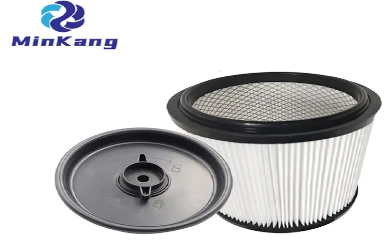
Not all vacuum filters are designed to be washed, and wetting certain types can cause permanent damage or reduce filtration efficiency. Here are some signs that a filter should not be wet:
Paper-Based Filters: Some filters, particularly older models or those made from paper materials, are not designed to withstand moisture. Wetting these filters can cause them to break down, losing their effectiveness in trapping particles.
Manufacturer Instructions: Always check the manufacturer’s guidelines. If the filter is labeled as "non-washable" or if instructions specifically advise against washing, it’s essential not to wet the filter.
Cloth or Mesh Filters: Certain cloth or mesh filters may also not be suitable for washing. They might be designed for dry cleaning or periodic replacement rather than washing with water.
Wetting these types of filters can compromise their structure, reduce suction power, and lead to the need for early replacement.
If your filter is non-washable, there are several methods to clean it without using water:
Tapping: Gently tap the filter against a hard surface or use a cleaning tool to shake off loose dirt and debris. This is an easy method to remove larger particles from the filter without damaging it.
Vacuuming: Use the vacuum itself to clean the filter. Attach the filter to a vacuum hose and use a low suction setting to pull out debris. Be cautious not to use too much suction, which could cause the filter to collapse or lose its shape.
Brushing: A soft brush, such as a paintbrush or a small vacuum brush, can be used to gently remove dirt from the filter’s surface. This method works well for filters with fine mesh or cloth that may accumulate dust.
Using these dry cleaning methods helps maintain the filter’s integrity and effectiveness without the risks associated with wet cleaning.
Answer: It’s best to avoid using soap or detergent unless the manufacturer specifies it. Soap can leave residue that may clog the filter. Typically, rinsing with lukewarm water is sufficient. Always check the manual for specific cleaning guidelines.
Answer: Check the manufacturer’s instructions. Washable filters are usually labeled as such, while others, like HEPA filters, may need replacement after a period of use. If unsure, avoid washing and use dry cleaning methods like tapping or vacuuming.
Answer: Yes, wetting a non-washable filter can clog or damage it, reducing suction power. Even washable filters may lose efficiency if not properly dried, so ensure it’s completely dry before reinserting.
Answer: Some HEPA filters can be rinsed with lukewarm water, but many are not designed to be washed. Always check the manufacturer’s instructions to see if your HEPA filter is washable.
To wrap up, keeping your vacuum filters clean is a key factor in maintaining the performance and longevity of your vacuum cleaner. Regularly cleaning or replacing filters ensures strong suction, better air quality, and helps prevent unnecessary strain on the motor. It’s important to know which filters are safe to wet and which require dry cleaning, as using water on the wrong type of filter can cause damage. By following the manufacturer’s guidelines and properly caring for your filters, you can ensure your vacuum continues to operate efficiently and lasts longer, providing consistent cleaning power for your home.


